They do different jobs, so it is not really a versus. A ceramic coating handles gloss, UV, chemical attack and easier washing. Paint protection film handles physical impact. A coating will not stop a stone chip. If budget forces one, start with the coating. Most people end up with both.
Get this one thing straight first
A ceramic coating does not stop stone chips. This is the single most common misunderstanding we deal with, and it is an expensive one to be wrong about.
A coating is a hard, thin, sacrificial chemical layer. It is measured in microns. It does a great deal for gloss, UV resistance, chemical etching and how easily the car washes, and it does none of it by absorbing impact. A stone off a truck at highway speed does not care that the paint is coated.
Paint protection film is a thick urethane layer. It is a physical barrier. That is the whole point of it, and it is the only one of the two that stops chips.
If someone tells you a coating will protect against rock chips, they are either confused or selling.
What each one actually does
| Ceramic coating | Paint protection film | |
|---|---|---|
| Stone chips | No | Yes, this is its job |
| Scratches and scuffs | Minor marring only | Yes, and quality film self heals |
| UV and fading | Yes | Yes |
| Bird droppings and sap | Yes, buys you time | Yes |
| Gloss | Significant | Adds gloss, gloss or satin finish |
| Easier washing | Yes, the main day to day benefit | Coat it and you get the same |
| Whole car coverage | Standard | Possible, costs considerably more |
If you can only do one, do the coating
This is what we tell people, and it is not the answer that makes us the most money on the job.
Film is an investment in the vehicle. It is not a cheap exercise, and we are not going to pretend otherwise. It is well worth it, but if the budget is the constraint then a ceramic coating is the better first move.
The reason is coverage. A coating goes over the whole car for a fraction of what filming the whole car costs. Every panel gets UV protection, chemical resistance and the gloss, and the car becomes dramatically easier to keep clean. Film on a limited budget means a small number of panels protected and the rest untouched.
So the honest order for most people is coating first, then add film to the impact areas when it suits.
When we push the other way
There are cars where we will steer you towards film even though it costs more, and colour is the main trigger.
Black cars. Black is the least forgiving finish we work with. It marks and swirls more easily than anything else and it shows every single defect under direct sun. On black we usually push towards full car paint protection film, because a coating will make it look spectacular and still leave it vulnerable to the marking that black punishes you for.
Dark colours generally, and known soft factory paint. Same logic. Some manufacturers ship paint that marks if you look at it wrong. On those cars film earns its cost faster than it does on a light coloured car with hard paint.
If you are not sure which category your car falls into, ask us before you book. It is a thirty second answer and it changes what you should spend.
What most people actually end up doing
Here is the part that makes the versus framing misleading.
Most new car customers do not pick one. They go with a package that covers film on the impact areas, a ceramic coating over the car, ceramic tint on the glass and interior protection. Not because we upsell it, but because once you understand that the two products solve completely different problems, choosing between them stops making sense.
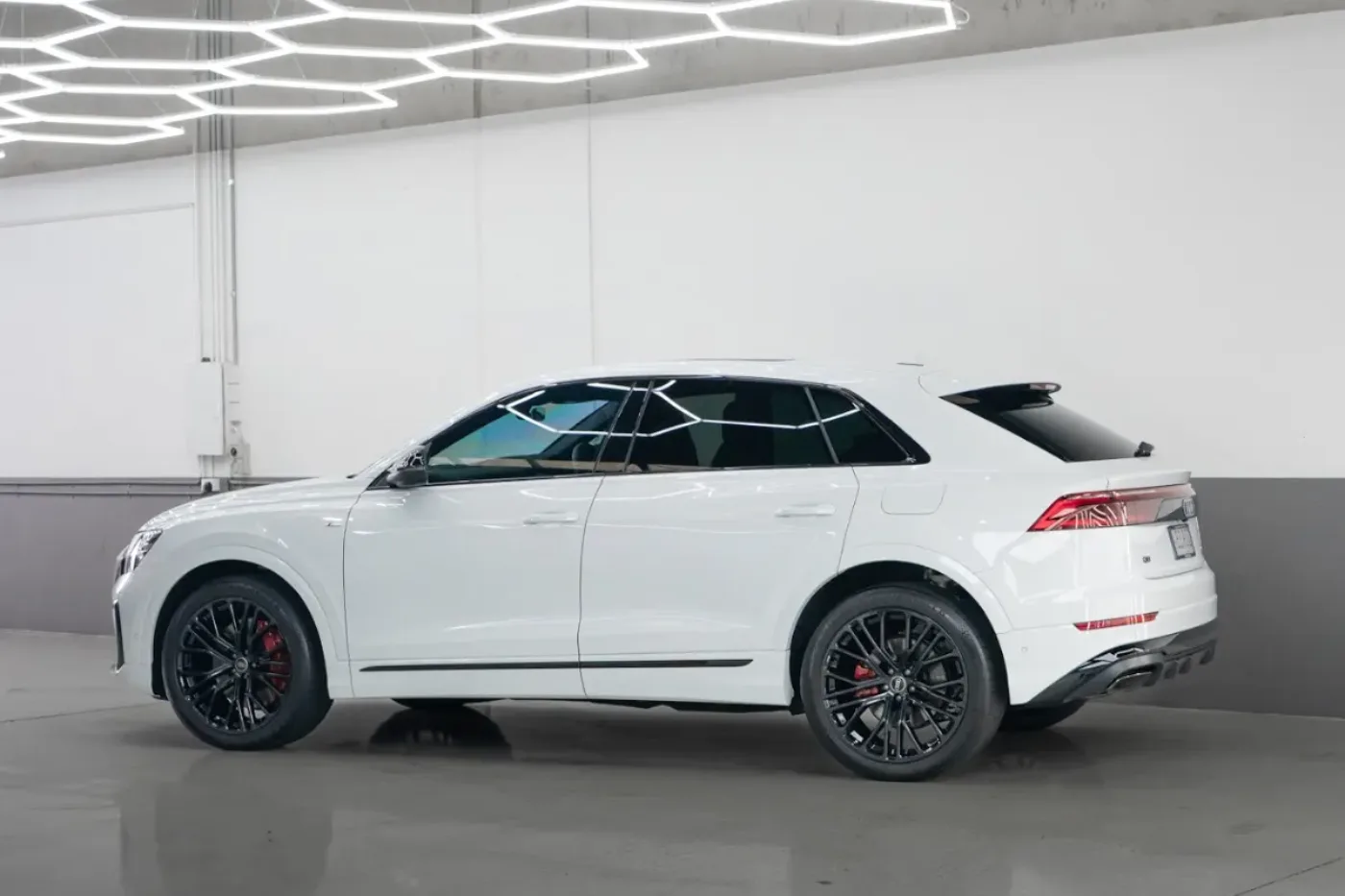
The film handles what hits the car. The coating handles what lands on it and what the sun does to it. The tint handles the heat. The interior protection handles the thing you actually sit in. Each one covers a gap the others do not.
You are also protecting the car at the only moment its paint is genuinely perfect, which is the argument for doing it at handover rather than in two years when you have finally saved up.
The other thing people get wrong
A coating does not mean you stop washing the car.
It means washing gets easier and the finish holds up better between washes. It does not mean the car cleans itself, and it does not mean contamination can sit on the paint indefinitely without consequence. Bird droppings still etch if you leave them for a fortnight in a Brisbane summer. The coating buys you time, not immunity.
The people who get the most out of a coating are the ones who keep washing properly. The ones who treat it as permission to stop are the ones who come back disappointed in year two.
Driving an EV? The front end, the paint and the roof glass all behave differently, which we cover in does an EV need different paint protection.
Does a ceramic coating stop stone chips?
No. A coating is a thin chemical layer measured in microns. It protects against UV, chemical etching and contamination, and it makes the car easier to wash, but it does not absorb physical impact. Only paint protection film stops stone chips.
If I can only afford one, which should I get?
A ceramic coating. Film is a bigger investment and it is worth it, but a coating covers the entire car for a fraction of what filming the whole car costs, so on a limited budget it protects far more of the vehicle.
Can you put a ceramic coating over paint protection film?
Yes. It is included in several of our packages. It makes the film easier to wash, adds UV defence, and means the filmed and unfilmed panels behave the same way when you clean the car.
Which is better for a black car?
Black is the least forgiving colour. It marks and swirls easily and shows every defect. On black we usually recommend leaning towards full car paint protection film, because a coating alone still leaves it exposed to the marking that black punishes you for.
Do I still need to wash a coated car?
Yes. A coating makes washing easier and the finish more durable between washes. It does not clean itself, and contamination left sitting will still cause damage. The coating buys you time, not immunity.
Both products need the same maintenance to keep performing. Here is exactly how to wash a coated or filmed car, and what to keep well away from it.
Not sure which your car needs?
Tell us the car, the colour and how it gets used. We will tell you honestly where your money is best spent, even when that is the smaller job.