Usually not. The product is generally average and the preparation is worse. Dealerships subcontract the work to whoever will do it cheapest and add their margin on top, and preparation is the first thing to go when a job has to be done fast.
The moment they sell it to you
You have picked the model and the colour, the finance is approved, and the car is ready for delivery. You have made it through the whole process. Then they bring out the last person you have to get past, which is the paint protection salesman.
The pitch is always some combination of the same things. A lifetime warranty. Hundreds of dollars off if you decide today. A folder of laminated before and after photos. And crucially, it is all happening at the exact moment you are least equipped to evaluate it, because you have been signing paperwork for two hours and you just want the keys.
It is a good pitch. That does not make it a good product.
Preparation is the whole game
A ceramic coating bonds to your clear coat. How well it bonds, and therefore how long it lasts and how it performs, depends almost entirely on the state of the surface it goes onto.
Here is what preparing a car for coating actually involves.
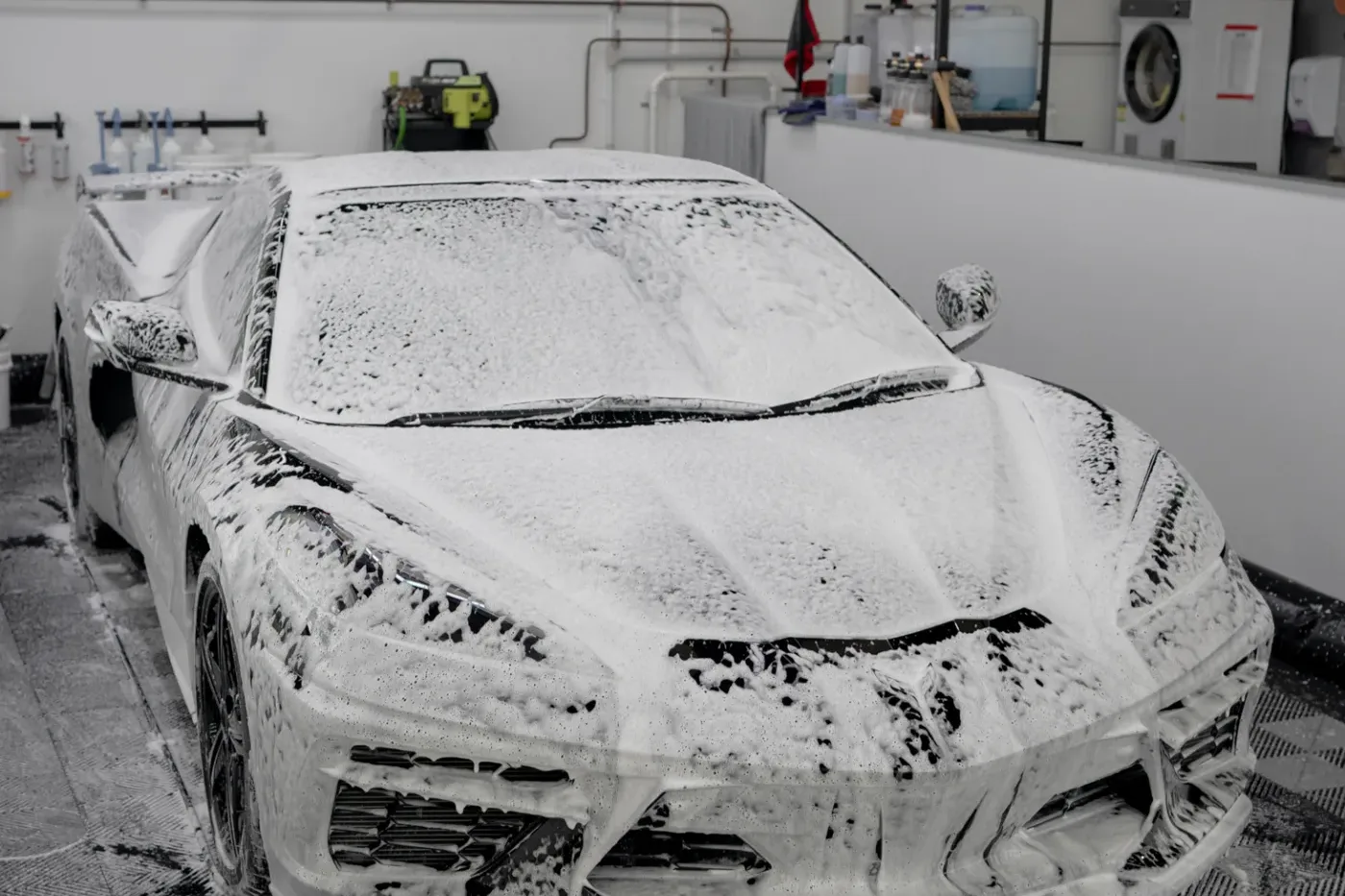
An intensive strip wash, to break down and remove any old waxes, sealants and organic contamination sitting on the paint. An iron fallout remover, to break the bond of ferrous and metallic particles that have embedded themselves in the clear coat. A clay bar treatment over the entire vehicle, to lift whatever is left. Then the car goes under LED inspection lighting so we can see the actual condition of the paint and decide what correction it needs.
Only then does anything get applied. That sequence is not optional and it is not quick, and it is the first thing that disappears when a job has to be turned around cheaply.
The brand you cannot look up
Try this before you sign anything. Ask the name of the coating they are applying, then search it.
With a serious product you will find a manufacturer, published specifications, a warranty you can register yourself, and independent people talking about it. With Gtechniq Crystal Serum Ultra you can read the chemistry, find the hardness rating and register your own warranty directly.
With a lot of dealership coatings you will find almost nothing. A brand with no meaningful presence, no published specification, and no way to verify anything you were told. That absence is information.
Occasionally a dealership does use a decent product. More often it is an average coating, and even a good one gets let down because the preparation underneath was never done to a standard that gives it a chance. You are usually getting both problems at once.
Who is actually doing the work
The dealership is not coating your car. A subcontractor is.
The commercial logic is simple and it is not a secret: find someone who will do it cheap enough that there is healthy margin left after the retail price. That pressure lands on the one part of the job the customer cannot see, which is the hours spent preparing the paint.
You are not choosing an installer. You are accepting whoever won that contract, at a price you do not know, doing a process you will never see, on a car you have not taken delivery of yet. Most people would not buy anything else on those terms.
What people tell us afterwards
A good share of our customers are people who already paid a dealership for paint protection once. They come to us because the result did not match what they were promised, and they want to know what they actually bought.
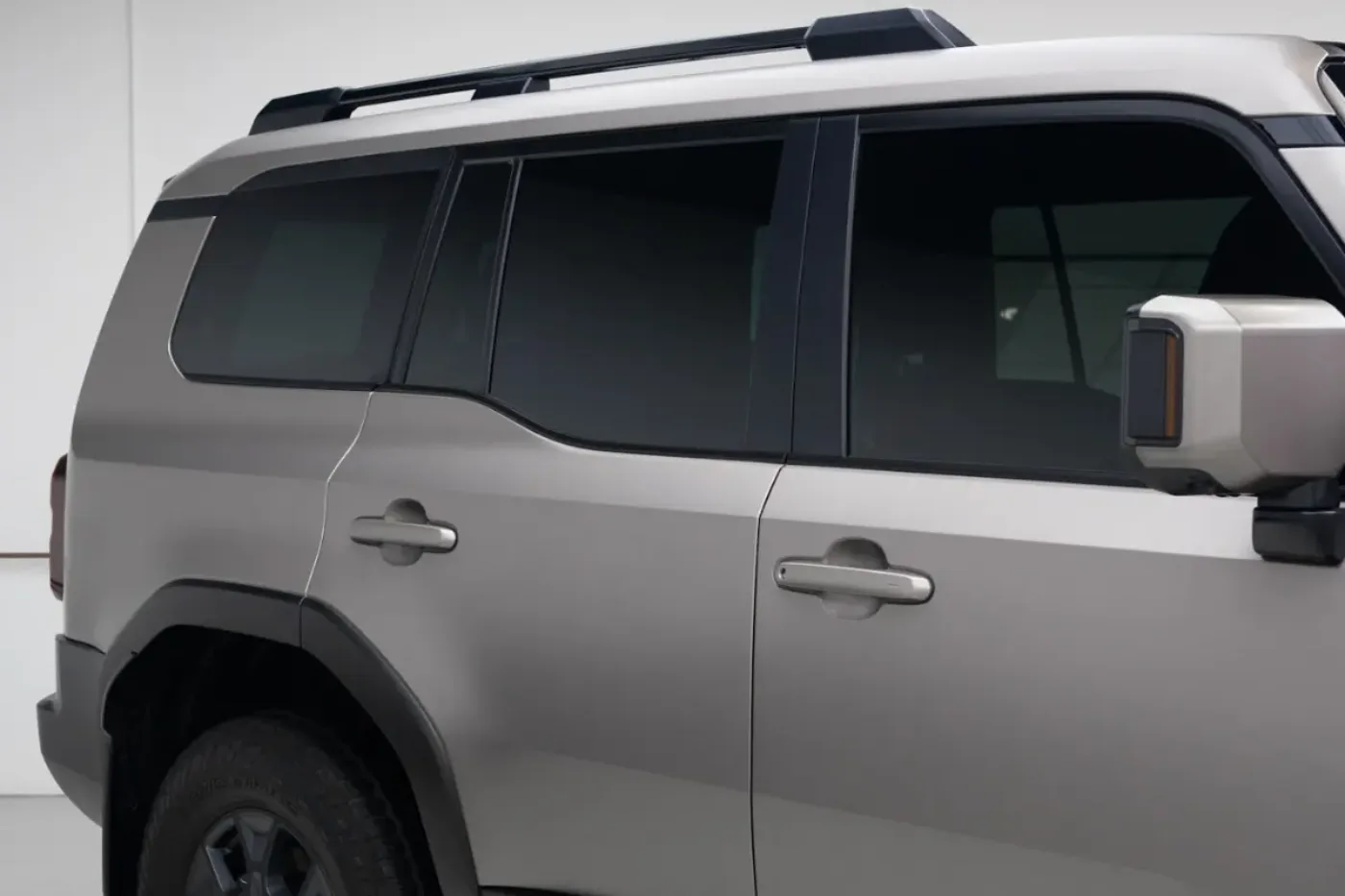
The pattern is consistent. One customer had paid a dealership $2,500 for the coating alone, and what went on the car was rubbish. They were told it was a premium coating with a long warranty. The car looked good on collection day because it was new and clean, which is a low bar. And a year or two later it behaved like an unprotected car, because whatever went on had nothing properly prepared underneath it.
For that same $2,500 spent with a specialist, they could have had a coating across the full exterior including wheel faces and the windscreen, interior protection through the cabin, and ceramic tint on the glass. Same money, entirely different car.
We are not against anyone making money on paint protection. It is a real service and it takes real skill. The objection is charging premium money and delivering a result that does not justify it.
What to ask before you sign
If you are sitting at the desk right now, four questions will tell you most of what you need to know.
What product is it, exactly? A brand and a product name, not “a ceramic coating” or a made up tier name. Who applies it, and where? If the answer is vague, it is subcontracted. What does the preparation involve? You are listening for decontamination, clay and paint correction. If the answer is a wash, there is no preparation. How long does the car have it done over? A genuine coating job is not turned around in an afternoon.
You are also entitled to say no and get it done properly later. The offer expiring today is a sales technique, not a deadline.
If you already said yes
It is not a disaster and you have not necessarily wasted the money. Bring the car in and we will look at it under proper lighting and tell you honestly what is on it and how it is performing. Sometimes the answer is that it is fine and you should leave it alone.
If it is not fine, it can be corrected and recoated properly. That is a more common job than you would think.
Is dealership paint protection worth it?
Usually not. The product is typically average and the preparation is worse. Dealerships subcontract the work and add margin, which squeezes both the coating used and the hours spent preparing the paint.
Is dealership ceramic coating a real ceramic coating?
Sometimes the product is genuine, but many dealership coatings use brands with no published specification and no independent presence. If you cannot look up the product and register the warranty yourself, treat that as a warning sign.
Why is dealership paint protection so expensive?
Because the retail price includes the dealership margin on top of what they pay a subcontractor. You are paying premium money for a job priced to be done cheaply.
Can I say no to dealership paint protection?
Yes. It is optional, it is not a condition of the sale or the finance, and the discount expiring today is a sales technique. You can have the car protected properly by a specialist afterwards.
I already paid for dealership paint protection. What now?
Have it assessed under proper lighting. Sometimes it is performing acceptably and is best left alone. If it is not, the paint can be corrected and a proper coating applied over it.
Picking up a new car soon?
Talk to us before you sign at the dealership desk. If what they are offering is genuinely good, we will tell you that too.